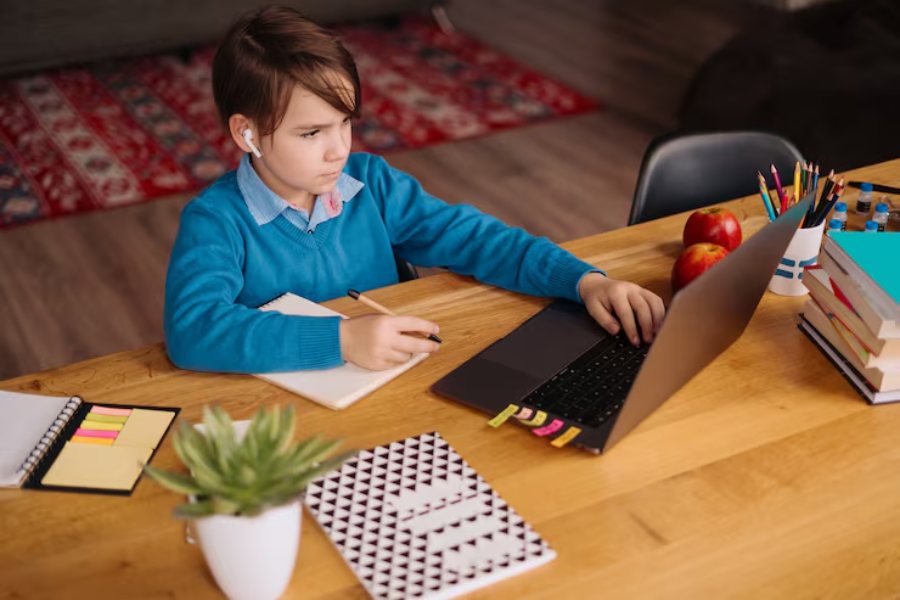
Education at home is not limited to textbooks or rigid schedules. It is a living process shaped by curiosity, encouragement, and meaningful connections. Parents play a powerful role in guiding this process by creating an environment where learning feels natural and engaging.
When education is woven into daily life, children gain confidence, independence, and a lasting love for discovery. With thoughtful planning and creativity, parents can support their children’s education in ways that feel personal and effective.
Building a Flexible Home Learning Path
Homeschooling allows families to create a learning path that fits a child’s natural pace, interests, and learning style. Instead of following a rigid structure, homeschooling offers the freedom to adjust lessons based on how a child responds and grows over time. This flexibility can lead to stronger focus, better understanding, and a more relaxed learning environment.
Children often feel more confident when they are given the space to explore subjects deeply without pressure. Homeschooling also supports independence by encouraging children to take an active role in their education while still receiving guidance. Visit https://outschool.com/online-classes/homeschool to learn more.
Designing Inviting Learning Spaces
A welcoming learning space can make a big difference in how children feel about studying at home. This does not require a separate room or special furniture. A quiet corner with good lighting, comfortable seating, and organized supplies can encourage focus and creativity. Children can help arrange their space, which gives them a sense of ownership.
Rotating books, materials, and displays keeps the area fresh and interesting. When the environment feels calm and inspiring, children are more likely to engage deeply with their lessons.
Learning Through Everyday Activities
Everyday routines offer countless learning opportunities. Cooking together can build math and reading skills as children measure ingredients and follow instructions. Gardening encourages observation, patience, and responsibility. Household tasks teach planning and problem-solving while reinforcing independence.
Parents can ask open-ended questions during these activities to spark discussion and reflection. By connecting learning to real-life experiences, children understand the value of what they are learning and how it applies beyond the home.
Encouraging Curiosity Through Projects
Projects allow children to explore topics that truly interest them. Parents can guide their children in choosing a subject, setting goals, and presenting what they learn. This approach builds research skills, creativity, and confidence.
Projects can include art, writing, building models, or storytelling. The focus should be on the process rather than perfection. When children feel free to explore without pressure, they develop a deeper understanding and a sense of pride in their work.
Reading Together and Independently
Reading is a cornerstone of learning at home. Parents can read aloud to younger children to build vocabulary and comprehension. Older children benefit from quiet reading time followed by discussion.
Talking about characters, ideas, and themes helps children think critically and express their thoughts clearly. Creating a regular reading routine shows that learning is valued and enjoyable. Allowing children to choose their own reading material also builds motivation and independence.
Supporting Emotional Growth and Motivation
Learning is closely connected to emotional well-being. Parents can support their children by recognizing effort, celebrating progress, and offering reassurance during challenges. Mistakes should be treated as opportunities to learn rather than failures. Encouraging a growth mindset helps children develop resilience and confidence. Simple practices like setting realistic goals and reflecting on achievements can strengthen motivation. When children feel emotionally supported, they are more willing to take risks and explore new ideas.
Using Play as a Learning Tool
Play is a powerful way to support education at home. Games that involve strategy, imagination, or storytelling can enhance thinking skills and creativity. Role-playing encourages communication and empathy.
Physical play supports coordination and focus. Parents can join in play to model cooperation and curiosity. When learning feels playful, children remain engaged and enthusiastic while developing important skills naturally.
Strengthening Communication and Reflection
Open communication is essential for effective learning at home. Parents can check in regularly to discuss what their children are enjoying and where they may need support. Reflection helps children recognize their progress and identify areas for growth.
Simple conversations about what they learned each day can reinforce understanding and build confidence. When parents listen actively and respond thoughtfully, children feel valued and understood. For parents looking to format these reflections in a visually appealing way, a Small Caps Generator can help create emphasis in written summaries, making important points stand out.
Connecting Learning to Family Life
Family interactions offer rich educational moments. Sharing stories, discussing ideas, and solving problems together strengthen bonds while supporting learning. Parents can model curiosity by sharing their own interests and learning experiences. These shared moments show children that learning is a lifelong process. When education becomes part of family life, it feels natural and meaningful rather than forced.
Supporting a child’s education at home is about creating a nurturing environment where curiosity thrives. Through flexible planning, creative activities, and emotional support, parents can help their children grow academically and personally. By focusing on connection, encouragement, and everyday learning opportunities, families can build an educational experience that feels both enriching and empowering.